For decades, brands measured their creative effectiveness and media success by what happened during or immediately after their TV spot. Today, brand equity is increasingly shaped inside automated environments: AI‑mediated feeds, recommendation engines, search results, retail media networks, and now conversational agents. These systems don’t just distribute content; they interpret it, evaluate it, and decide what audiences see next..
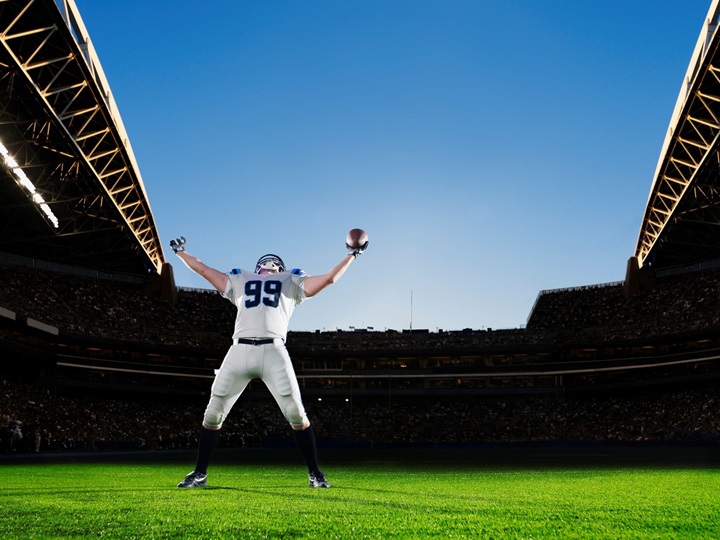
This dynamic shift is especially evident during huge cultural events and big moments that matter like the Super Bowl. Marketers are no longer optimizing for a captive broadcast audience alone, and achieving great results with the same playbook is no longer possible. Engineering relevance requires an ecosystem play that influences what machines and people connect with, share, recommend, and ultimately buy.
This requires a blueprint for how brands can build salience, sustain attention, and amplify brand equity long after game day.
When Machines Mediate Attention, Creative Quality Matters Even More
Super Bowl advertising remains a remarkably effective cultural pulse check, and one that attracts millions of human eyeballs. Over the past few years, a single Super Bowl ad has proven to be 25× more effective than a regular TV ad at driving brand perceptions. And that was largely due to above average, culturally resonant creative.
But creative alone isn’t enough in algorithm‑driven environments. An effective campaign must be recognizable and meaningful inside automated environments. This means agents need to understand your product differentiators and believe that you are a good option for their user. Algorithms need to believe your campaign is entertaining enough to recommend social clips and surface your creative to their viewers. When feeds and algorithms compress time and attention, only the clearest branding, most resonant human truths, and emotionally engaging stories break through and build lasting equity.
That’s why humorous, persona‑driven creative surged in 2025, delivering strong performance across Impact, Power, and Enjoyment metrics measured using Kantar’s Link AI. Campaigns like Coors Light’s “Case of the Mondays” (Impact 71, Enjoyment 89) and Reese’s “Don’t Eat Lava” (Impact 88, Enjoyment 87) demonstrate how emotional activation transfers seamlessly from broadcast into social amplification and algorithmic distribution, maximizing Super Bowl advertising effectiveness. This year is already shaping up to be one where brands bet big on laughs.
In an AI and human integrated world, campaigns need to extend content formats even further. This includes those mediums that may feel a bit more basic like written, case‑driven blogs and informational materials. For agents, marketers need to consider how to build easy‑to‑read and validate content to complement high‑quality creative for recommendation purposes. Humor and creative that grabs attention drives human engagement and cultural relevance via memes, references, and other equity‑enhancing measures. This dual approach to creative effectiveness helps influence the long‑term memorability and considerations consumers factor in when searching for products and services, ultimately strengthening brand equity over time.
A New Kind of Integration: Coordinated Creative Across Search, Social, and AI‑Driven Environments
How many channels should Super Bowl advertisers use to maximize creative effectiveness? It's 2026, and cross‑media coordination isn’t even table stakes at this point. It’s a fundamental need any campaign must factor into their planning.
Kantar’s CrossMedia studies show that integrated campaigns executed across 4+ channels deliver a 26% stronger overall contribution compared to those with three or fewer channels. In a world where consumers shift instantly between feeds, apps, and devices, fragmented creative leaves equity on the table. Distinctive brand assets, narrative clarity, and strong linkage are more important than ever because algorithms rely on those signals to determine relevance and amplify content algorithmically across platforms.
Super Bowl LIX’s top performers understood this principle of multi‑channel creative effectiveness. Hellmann’s “When Harry Met Sally” didn’t stop at a nostalgic TV spot. It activated TikTok collaborations, retail integrations, and influencer partnerships, generating widespread earned attention and conversion cues that extended brand equity far beyond the initial broadcast. Oreo’s Post Malone collaboration applied the same playbook: teaser drops, social storefronts, commerce tie‑ins, and creator‑driven amplification that extended visibility far beyond the initial flight.
This is what machine‑mediated salience looks like: cohesive creative assets, optimized per channel, that maintain brand linkage whether encountered via search, social, or AI recommendations.
This shift has real implications for media measurement. When AI becomes a collaborator, not a post‑hoc evaluator, marketers need new signals of success. Traditional metrics like awareness and favorability still matter, but they are no longer sufficient for measuring brand equity in automated environments. Attention quality, cross‑platform consistency, machine‑readable brand codes, contextual appropriateness, and creative‑media synchronization all emerge as new leading indicators of performance. These performance metrics help brands understand not just how many people saw their message, but how effectively that message travels through recommendation engines, conversational agents, and algorithm‑driven discovery surfaces.
The Future: Brand Equity Engineered for Machine Circulation
How will algorithm‑mediated environments change Super Bowl advertising strategy in the years ahead? As automation takes on a larger role in how people connect, consider, and consume, brands now have the advantage of using insights from this intelligence to predict which creative executions resonate, which audiences will lean in, and which channel combinations deliver the strongest return. The real unlock comes from how marketers use that intelligence not as a diagnostic at the end of a campaign, but as a guide for how ideas should be built, deployed, and continually refined to maximize both creative effectiveness and long‑term brand equity.
Success in this new environment starts with being unmistakable. Brands need to show up with a level of consistency and identity that algorithms can recognize wherever the work appears, whether in a feed, a recommendation module, or an AI‑generated suggestion. This distinctive brand identity becomes essential in automated environments and ensures that media measurement can track performance accurately across all touchpoints. And once the work is out in the world, it has to generate momentum. Creative rooted in humor, cultural fluency, emotional connection, or a sharply drawn brand point of view resonates with people and it gives machines the signals they need to amplify it.
Perhaps the biggest shift, though, is what happens after launch. The “moment” may be the Super Bowl, but the real equity is built in the aftermath. In a machine‑mediated media system, post‑launch activity allows your campaign to work harder and influence long‑term recommendation systems. This extended lifecycle of Super Bowl advertising effectiveness means that brands must think beyond the game day broadcast and plan for how their creative will continue to perform in search results, social feeds, and conversational AI platforms for weeks and months afterward.
Super Bowl ads underscore a fundamental truth about modern marketing: the brands winning today are going beyond entertaining creative and creating ideas designed to move. In a world where distribution is increasingly determined by algorithms, the blueprint for modern creative effectiveness is clear: show up distinctively with strong brand equity signals, build work that travels on its own through both human sharing and algorithmic amplification, and optimize relentlessly for the environments where attention is actually won.
This approach will ensure that Super Bowl advertising delivers value far beyond its initial broadcast, building brand equity that compounds over time through machine circulation and human engagement.